

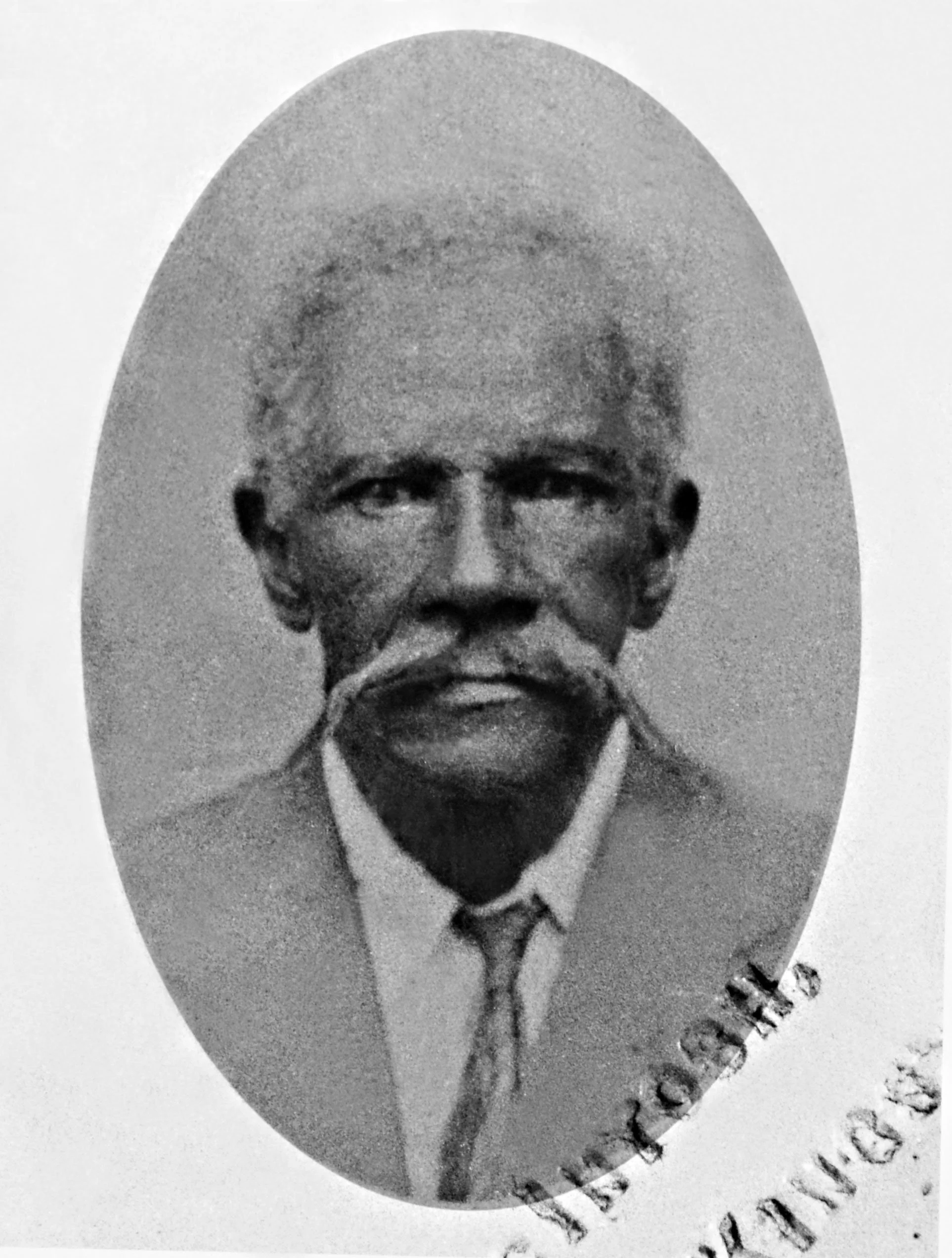
Solomon Augustus Hibbert
We trace our family origins to Featherbed Lane, a modest and once unproductive stretch of land in the parish of St. Catherine, just west of Kingston. The name “Featherbed Lane” is said to have been given with a sense of humor—early travelers described the road as so rough that it was anything but a “feather bed.”
Our great ancestor, Solomon Augustus Hibbert, affectionately known as “Pappy” to his grandchildren, is believed to have been born around 1873, though documentation suggests it may have been closer to 1877. Solomon’s parents were Elenalor McBean (Born 1840) and Robert Aubrey Henry Hibbert (Born 1837).
Family records recall Solomon’s siblings as Tabal, Zachius, Mildred, Mabel, Isaiah, Nathan, and Hezekiah. However, later conversations with Hezekiah’s son, Selvyn, suggest that Hezekiah may have been Solomon’s cousin rather than his brother—highlighting the need for continued research into our lineage.
Solomon married Theodora Elizabeth Marques (“Elizabeth” or “Nana”) on December 18, 1941, at East Queen’s Baptist Church in Kingston. He was recorded as being 64 years old at the time. The ceremony was officiated by Father Cavell Lloyd, with witnesses including his son-in-law, Leslie Madden, and a family acquaintance, G. Hudson.
By the time of their marriage, Elizabeth had already given birth to eleven children, two of whom—Violet and Icilda—were from previous relationships and later migrated to Panama. Together, Solomon and Elizabeth raised a large and resilient family, including Robert Herman, Huntley Ezekiel, Hazel, Lucille, Hannah, Joslyn, Theophilus, Sydney, and Rudolph George, who sadly passed away as an infant.
There are also indications that Solomon had children from earlier relationships, including a son named Aston, who migrated to Cuba and was never heard from again. Family accounts suggest the possibility of additional relatives from this branch, though this remains unconfirmed.
Solomon and Elizabeth first lived on Hanna Street in Kingston before settling at 8 Upper Oxford Street, where they spent the remainder of their lives. Solomon passed away in 1964 at the age of 91, eight years after Elizabeth, and was laid to rest in May Pen Cemetery. His funeral was handled by his son-in-law Leslie Madden and daughter Hazel Hibbert Madden, founders of Madden Funeral Services.
Pappy was remembered as tall and lanky, with a distinctive handlebar moustache that he carefully waxed and curled—often intimidating his grandchildren. He had high cheekbones and soft, wavy hair, traits that many descendants still carry today.
Professionally, Solomon served in the British West Indian Regiment during World War I, stationed at Port Royal, though he reportedly did not see active combat due to his large family responsibilities. He later became a beekeeper—an apiarist—and is considered the family’s first entrepreneur. Historical records, including a March 19, 1920 Gleaner article, show his involvement in the Beekeepers Union.
As a beekeeper, Solomon transported honey and goods by mule and dray cart between Kingston, Spanish Town, and Old Harbour—a journey of 20–25 miles that could take hours or even days depending on weather conditions. His work ethic, resilience, and independence laid the groundwork for generations to come.
Beyond his work, Solomon was known to be active in his community, even appearing in court on matters related to his trade. One notable case in 1924 lists a young Norman Manley as his legal counsel—an extraordinary detail that ties our family history to broader national history.
Legacy
Solomon and Elizabeth gave us more than DNA—they gave us values.
Though they lived with limited material wealth, they passed down a legacy of strength, discipline, faith, and resilience. They taught us to admire without envy, to achieve through hard work and education, and to trust in God.
From humble beginnings, our family has grown into a global network of descendants—professionals, entrepreneurs, doctors, engineers, pilots, accountants, and leaders—spanning over 180 surnames, yet united by a shared lineage and purpose.
Our continued connection through family reunions and the Hibbert Family Association reflects our commitment to honoring that legacy. Together, we strive not only to preserve our history but to build a stronger future—raising the bar for generations to come.