

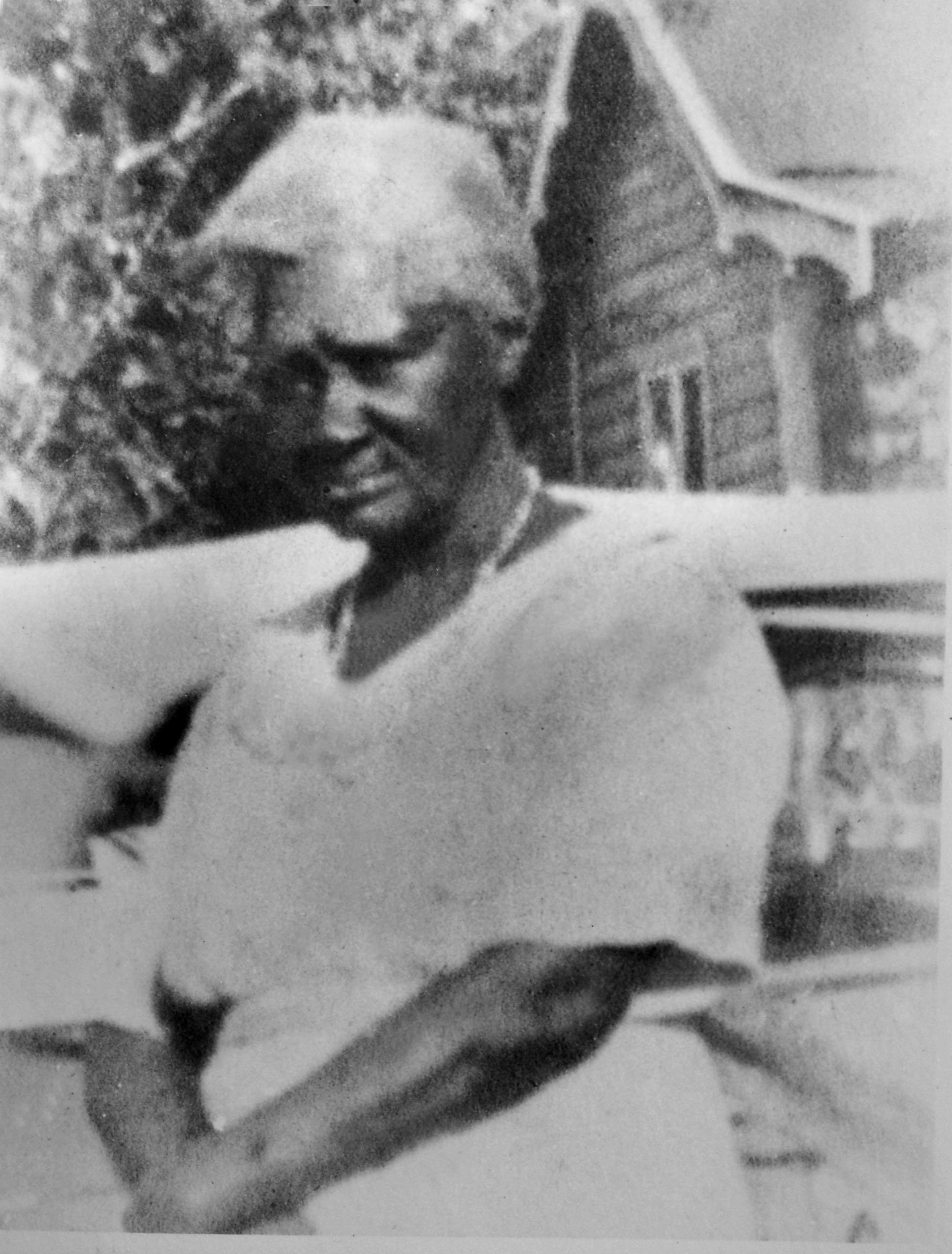
Theodora Elizabeth “Nana” Hibbert (1876–1956)
Theodora Elizabeth Marques Hibbert, also known as Elizabeth Marquis Hibbert and affectionately called Nana, was born in 1876 and passed away in September 1956 at the age of 80.
She was the daughter of Edie and the sister of Nathanial (Uncle Natty), Albert (Uncle B), and Justina. Before her union with Solomon, Nana had two daughters, Violet and Icilda, who later migrated to Panama during the early 1900s. They were not Solomon’s children. Icilda would go on to have two sons, Bertie and Ivan. Bertie, known as “Buhbah” because of his stutter, holds a special place in family history as the first grandchild—credited with giving Nana and Pappy the names that would carry through generations.
Nana went on to have nine children with Solomon, building the foundation of a large and enduring family. She was a hardworking woman—a housekeeper, a shopkeeper, and a devout Presbyterian. Her faith was central to her life. She was a dedicated member of St. John’s United Church, attending every Sunday without fail until Easter Sunday in 1956, when illness made it impossible for her to continue.
She was remembered for her striking silver-white hair and her slightly bandy legs, which earned her the nickname “Bent Foot Lizy.” This distinctive trait lived on through the generations, seen in relatives such as Mother Madden, Ferdie Madden, and Uncle Munoz.
Nana was a woman of simple but memorable pleasures. She enjoyed a glass of brandy each night, had a fondness for elegant hats, and was known for her exceptional cooking—especially her rice and black-eyed peas, which she preferred over red peas due to digestion. Even today, that small detail offers a familiar explanation for why some in the family experience discomfort after eating traditional stew peas.
But beyond her physical traits and daily habits, Nana’s greatest legacy lies in the values she passed down. She instilled a quiet strength in her family—a belief that while we may admire what others have, we must never envy them.
Her life was not just lived—it was planted. And through her, generations continue to grow.